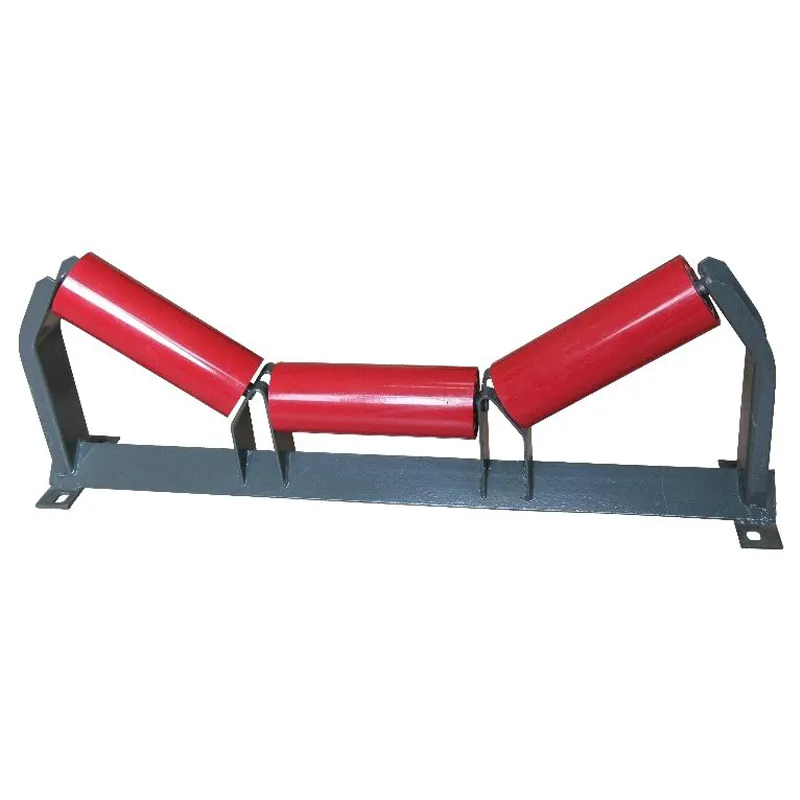
Elevating Material Handling Efficiency: The Critical Role of Conveyor Rollers In the intricate landscape of industrial material handling, the efficiency and reliability of conveyor systems are paramount. At the heart of these systems, facilitating seamless and robust material transport, lies the conveyor roller . These unassuming yet critical components are fundamental to the operation of countless industrial processes, ranging from bulk material transport in mining and metallurgy to precision handling in manufacturing and logistics. This comprehensive guide delves into the advanced engineering, diverse applications, and strategic advantages of modern conveyor rollers, with a particular focus on the innovative Spiral Conveyor Roller. We will explore the latest industry trends, detailed technical specifications, and the rigorous manufacturing processes that ensure these components meet the demanding requirements of B2B operations. Our aim is to provide decision-makers, engineers, and procurement specialists with the insights necessary to optimize their material handling infrastructure, ensuring enhanced operational efficiency, reduced maintenance, and superior long-term value. Industry Trends Shaping Conveyor Roller Technology The material handling industry is undergoing significant transformation, driven by demands for higher throughput, reduced operational costs, and enhanced safety. Several key trends are directly influencing the design and deployment of conveyor roller s, including: Sustainability and Energy Efficiency: Increasing focus on reducing the carbon footprint and operational energy consumption. This drives innovation in low-friction designs, lighter materials, and advanced bearing technologies for conveyor belt rollers . Automation and Digitization: Integration with smart systems for predictive maintenance, real-time monitoring, and enhanced control. Rollers with embedded sensors for temperature, vibration, and speed are becoming more prevalent. Durability and Longevity: Demand for components that can withstand increasingly harsh operating environments, including extreme temperatures, corrosive agents, and abrasive materials. This necessitates advanced material science and robust construction for conveyor drive rollers . Modular and Customizable Solutions: The need for highly adaptable systems that can be tailored to specific application requirements, allowing for rapid deployment and modification. Safety Enhancements: Continuous improvements in design to minimize worker exposure to moving parts, reduce noise levels, and prevent material spillage, contributing to a safer work environment. These trends underscore the importance of selecting advanced conveyor roller solutions that offer not only immediate operational benefits but also long-term strategic advantages. Technical Specifications and Structure of Spiral Conveyor Rollers The Spiral Conveyor Roller represents a specialized class of conveyor components designed to address specific challenges in material handling, particularly concerning material build-up and belt cleaning. Its unique design features a continuous spiral of high-wear-resistant rubber or polymer, which covers the steel shell. Core Components and Materials: Roller Shell: Typically constructed from high-quality carbon steel (e.g., Q235, S235JR) or stainless steel (e.g., 304, 316) for enhanced corrosion resistance in specific environments. Precision welding ensures concentricity and strength. Spiral Element: Made from durable, abrasion-resistant materials such as natural rubber, SBR (Styrene Butadiene Rubber), or high-density polyethylene (HDPE). The spiral design actively dislodges material and prevents accumulation on the roller surface and conveyor belt. Shaft: Machined from cold-drawn steel (e.g., C45, 1045) for strength and rigidity, often with specific end preparations for bearing housing attachment. Bearings: High-precision deep groove ball bearings (e.g., 6204, 6305, 6306) are standard, often sealed and pre-lubricated for maintenance-free operation. Options include double-sealed bearings for dusty or wet conditions. Bearing Housing and Seals: Robust cast iron or pressed steel housings, combined with multi-labyrinth seals (e.g., triple labyrinth) and contact seals, provide superior protection against dust, moisture, and contamination, crucial for extending service life. Key Parameters: The selection of the appropriate conveyor roller involves careful consideration of several technical parameters: Typical Spiral Conveyor Roller Specifications Parameter Description/Value Range Units Roller Diameter (D) 60 - 219 mm Roller Length (L) 190 - 3500 mm Shaft Diameter (d) 20 - 50 mm Bearing Size 6204, 6305, 6306, 6308, 6310 - Shell Material Q235 Carbon Steel, 304/316 Stainless Steel - Spiral Material Natural Rubber, SBR, HDPE - Operating Temperature -20 to +80 °C Load Capacity Varies by size and application, up to 10 kN per roller - Understanding these specifications is crucial for matching the right roller to the operational demands, ensuring optimal performance and longevity. Manufacturing Process Flow of Conveyor Rollers The production of high-performance conveyor roller s involves a meticulous, multi-stage manufacturing process that combines advanced machinery with stringent quality control. This process ensures each roller delivers exceptional durability and operational efficiency. Process Steps: Material Selection and Preparation: Steel Pipes: High-grade seamless or welded steel pipes (e.g., Q235, S355) are selected based on diameter and wall thickness requirements. Shaft Steel: Cold-drawn round bars (e.g., C45) are cut to precise lengths. Rubber/Polymer: For spiral rollers, specific grades of natural rubber or synthetic polymers (SBR, HDPE) are prepared for extrusion or molding. Shell Fabrication: Cutting: Steel pipes are cut to exact lengths using automated cutting machines, ensuring clean and square ends. End Preparation: The ends of the cut pipes are often beveled or prepared for welding the bearing housings. Shaft Machining: CNC Turning: Shafts undergo CNC machining to achieve precise diameters for bearing seats and end-fitting dimensions, critical for minimizing runout and ensuring proper bearing fit. Keyway/Flat Milling: If required, keyways or flats are milled into the shaft ends for specific mounting requirements. Spiral Application (for Spiral Rollers): The pre-fabricated spiral elements (rubber or polymer) are meticulously applied and bonded to the steel roller shell. This can involve hot vulcanization for rubber or specialized adhesive/fusion processes for polymers, ensuring a strong, continuous bond. Assembly of Internal Components: Bearing Installation: High-quality bearings are pressed onto the machined shafts with precision. Seal Assembly: Multi-labyrinth seals and bearing housings are assembled onto the shaft, creating a robust protective barrier against contaminants. Final Assembly and Welding: The assembled shaft and bearing units are inserted into the roller shell. The bearing housings are precisely welded to the roller shell using automated welding robots, ensuring consistent weld quality and structural integrity. This stage is critical for maintaining overall roller balance and concentricity. Surface Treatment and Painting: Rollers undergo cleaning, phosphating, and painting (typically electrostatic powder coating) to provide corrosion resistance and a durable finish, extending their service life in various environments. Quality Control and Testing: Concentricity and Runout: Each roller is tested for concentricity and total indicator runout (TIR) to ensure smooth operation and minimal belt vibration. Rotational Resistance: Measured to confirm low friction and energy efficiency. Sealing Effectiveness: Tests may involve simulated dust or water exposure to verify seal integrity. Load Bearing Capacity: Static and dynamic load tests are performed on a representative sample to validate design specifications. Our manufacturing process adheres strictly to international standards such as ISO 9001 for quality management, ISO 1536 for conveyor equipment, and ANSI B20.1 for conveyor safety, ensuring every roller meets or exceeds industry benchmarks. The typical service life of our premium conveyor roller s, under normal operating conditions and proper maintenance, often exceeds 50,000 hours, significantly reducing total cost of ownership. Figure 1: High-precision manufacturing ensures the durability and performance of conveyor rollers. Application Scenarios and Technical Advantages The versatile design and robust construction of Spiral Conveyor Rollers make them indispensable across a multitude of heavy-duty industrial sectors. Their unique properties address specific operational challenges, providing significant advantages. Target Industries: Mining and Quarrying: Handling abrasive ores, coal, and aggregates. Metallurgy and Steel Mills: Transporting hot clinker, slag, and metal products. Petrochemical and Chemical Plants: Conveying corrosive and specialized materials, requiring chemical-resistant coatings. Power Generation (Coal-fired Plants): Managing coal and ash, often in dusty and high-temperature environments. Port Logistics and Bulk Terminals: Loading and unloading of grains, fertilizers, and minerals from ships and stockpiles. Water Supply & Drainage / Wastewater Treatment: Moving sludges and filter cakes, where corrosion resistance is paramount. Demonstrated Advantages in Typical Applications: Energy Saving: Low rotational resistance due to precision bearings and advanced sealing systems significantly reduces the power consumption of the conveyor belt, leading to substantial energy cost savings over the operational lifespan. Corrosion Resistance: Options for stainless steel shells and specialized coatings, combined with highly effective labyrinth seals, provide superior protection against water, chemicals, and corrosive agents, extending roller life in challenging environments like wastewater treatment or coastal mining. Self-Cleaning Mechanism: The spiral rubber design inherently prevents material build-up on the roller surface. As the roller rotates, the spiral action dislodges sticky or wet materials, ensuring the roller remains clean and prevents carry-back on the return belt. This is particularly beneficial in handling materials like wet sand, clay, or sticky ores. Reduced Belt Wear: By maintaining a clean surface and providing uniform support, spiral rollers minimize abrasive wear on the conveyor belt itself, extending the belt's service life and reducing expensive replacement costs. Minimized Belt Misalignment: The continuous contact and self-centering action of spiral rollers can help maintain proper belt tracking, reducing the likelihood of belt wandering and spillage. Reduced Maintenance and Downtime: The robust construction, sealed-for-life bearings, and self-cleaning properties collectively reduce the need for frequent inspection, cleaning, and replacement, thereby minimizing costly downtime and labor. Enhanced Safety: Stable belt operation, reduced spillage, and fewer manual interventions for cleaning contribute to a safer working environment. Figure 2: Spiral conveyor rollers actively prevent material build-up, enhancing system longevity. Vendor Comparison and Customized Solutions Selecting the right supplier for conveyor roller s is as critical as selecting the rollers themselves. A thorough vendor comparison, coupled with the availability of customized solutions, ensures optimal system performance and return on investment. Key Differentiators in Vendor Selection: Conveyor Roller Vendor Comparison Matrix (Illustrative) Feature Vendor A (Standard Offerings) Vendor B (Specialized/Custom) Product Range Standard steel, HDPE, impact rollers. Wide range, including Spiral, return, training, specialized coatings. Customization Options Limited (standard sizes, basic materials). Extensive (dimensions, materials, coatings, bearings, shaft configurations). Quality Certifications ISO 9001. ISO 9001, CE, specific industry standards (e.g., DIN, CEMA). Bearing & Sealing Technology Standard sealed bearings, basic labyrinth seals. Premium sealed-for-life bearings, multi-labyrinth seals, non-contact seals. Lead Time for Standard Products 2-4 weeks. 1-3 weeks (efficient production). After-sales Support Basic warranty, limited technical support. Extended warranty, dedicated technical support, spare parts availability, on-site consultation. Our commitment to quality is underscored by over 15 years of industry experience and certifications such as ISO 9001, ensuring that our products meet the highest global standards. We are a trusted partner to leading firms in mining, energy, and logistics sectors worldwide. Tailored Customized Solutions: Recognizing that no two material handling systems are identical, we specialize in providing bespoke conveyor roller solutions. Our engineering team collaborates closely with clients to develop rollers optimized for their specific operational demands. Material Adaptation: Customization of shell and spiral materials for extreme temperatures, highly corrosive substances, or severe abrasion. Dimension and Configuration: Manufacturing rollers with non-standard diameters, lengths, or shaft configurations to integrate seamlessly into existing or unique conveyor frames. Specialized Coatings: Application of specific coatings (e.g., ceramic, polyurethane, anti-static) for enhanced performance in specialized environments. Bearing and Seal Optimization: Selection of high-performance bearings and multi-stage sealing systems for applications with high dust, moisture, or heavy load requirements. Dynamic Balancing: For high-speed applications, rollers can be dynamically balanced to reduce vibration and extend bearing life. This flexibility ensures that clients receive not just a product, but a precisely engineered solution that delivers superior performance and maximizes the longevity of their conveyor systems. Application Case Studies Case Study 1: Iron Ore Processing Plant – Addressing Material Build-up Client: A major iron ore mining and processing facility in Western Australia. Challenge: The plant faced significant issues with sticky iron ore fines accumulating on standard return idlers, leading to severe belt mistracking, premature belt wear, and frequent manual cleaning interventions. This resulted in significant downtime and increased operational costs. Solution: We engineered and supplied customized Spiral Conveyor Rollers made with a highly abrasive-resistant SBR rubber spiral for all return idler positions. The rollers were designed with heavy-duty sealed bearings and a robust shaft to withstand the high loads and dusty environment. Results: Over a 12-month period post-installation, the client reported a dramatic reduction in material build-up on the return side of the conveyor. Belt mistracking incidents decreased by 70%, and the need for manual cleaning was reduced by 90%. This translated to a 15% increase in operational uptime and an estimated annual savings of $250,000 in maintenance and labor costs. Case Study 2: Phosphate Fertilizer Production Facility – Combating Corrosion Client: A large-scale phosphate fertilizer manufacturer in North Africa. Challenge: The highly corrosive atmosphere, due to acid vapors and fine dust, caused rapid degradation of conventional steel conveyor rollers. Rollers were failing within 6-9 months, leading to frequent replacements, high material costs, and production interruptions. Solution: We provided Spiral Conveyor Rollers featuring a 316L stainless steel shell, HDPE spiral segments, and chemically resistant multi-labyrinth seals. The shafts were also made from corrosion-resistant material and coated for additional protection. Results: The specialized rollers demonstrated exceptional resistance to the corrosive environment. Their service life extended to over 3 years, more than quadrupling the lifespan of previous rollers. The client experienced a significant reduction in spare parts inventory, labor for replacements, and overall downtime. The extended life cycle led to a total cost of ownership reduction of over 40% for the roller components. Frequently Asked Questions (FAQ) Q1: How do Spiral Conveyor Rollers improve belt cleaning? A1: The unique spiral design of these rollers causes a "self-cleaning" action. As the roller rotates, the continuous rubber or polymer spiral dislodges sticky or wet material that would otherwise accumulate on the roller surface and adhere to the return side of the conveyor belt. This prevents carry-back and reduces the need for external belt cleaners. Q2: What is the typical service life of your conveyor roller s? A2: Our high-quality conveyor rollers are engineered for longevity. Depending on the application, load, speed, and environmental conditions, our rollers typically offer a service life exceeding 50,000 operational hours. This is achieved through robust construction, high-grade bearings, and advanced sealing systems. Q3: Can these rollers be customized for extreme operating conditions? A3: Absolutely. We specialize in customized solutions. We can adapt roller dimensions, shell materials (e.g., stainless steel for corrosion), spiral materials (e.g., high-temperature rubber, chemical-resistant polymers), bearing types, and sealing systems to perfectly match requirements for extreme temperatures, highly abrasive materials, or corrosive environments. Q4: What testing standards do your conveyor rollers adhere to? A4: All our conveyor rollers are manufactured and tested in accordance with international quality and performance standards, including ISO 9001 for quality management, ISO 1536 (Conveyor Belts - Dimensions of Idlers), and CEMA (Conveyor Equipment Manufacturers Association) standards. We conduct rigorous tests for concentricity, rotational resistance, and load capacity. Lead Time, Warranty, and Customer Support Lead Time and Fulfillment: We understand the critical importance of timely delivery for maintaining operational continuity. Our streamlined manufacturing processes and robust supply chain allow for efficient fulfillment. Standard conveyor roller orders typically have a lead time of 2-3 weeks, while highly customized solutions may require 4-6 weeks, depending on complexity and material availability. We offer global shipping capabilities, ensuring your components arrive when and where you need them. Warranty Commitments: We stand behind the quality and durability of our products. All our conveyor rollers come with a standard 12-month warranty against manufacturing defects and material failure under normal operating conditions. Extended warranty options are available for specific projects, reflecting our confidence in the long-term performance of our engineered solutions. Dedicated Customer Support: Our commitment extends beyond product delivery. We provide comprehensive after-sales support, including technical assistance, troubleshooting, and spare parts availability. Our team of experienced engineers and customer service professionals is ready to assist with any queries or challenges, ensuring the sustained performance and optimization of your conveyor systems. Contact us via phone, email, or our online portal for prompt and expert assistance. References Conveyor Equipment Manufacturers Association (CEMA). CEMA Book No. 2: Belt Conveyors for Bulk Materials . 7th ed., 2014. International Organization for Standardization (ISO). ISO 1536: Conveyor belts – Dimensions of idlers . 2003. British Standards Institution (BSI). BS EN 14973: Conveyor belts for use in underground installations – Electrical and flammability safety requirements . 2015. Engineering for Kids. The Physics of Conveyor Belts . www.engineeringforkids.com. ScienceDirect. Research on the Design and Optimization of Conveyor Roller Bearings . www.sciencedirect.com.